Updated by the AI Hairstyle team
Professional Hairstyles
Professional hairstyles are about looking tidy and intentional rather than following one rule: a neat bob, a sleek bun, a side part or a taper fade all read as polished. Upload a selfie and try them on your own photo before an interview, a new job or a headshot.
Upload a Photo and Try a StyleWomen's Professional Hairstyles
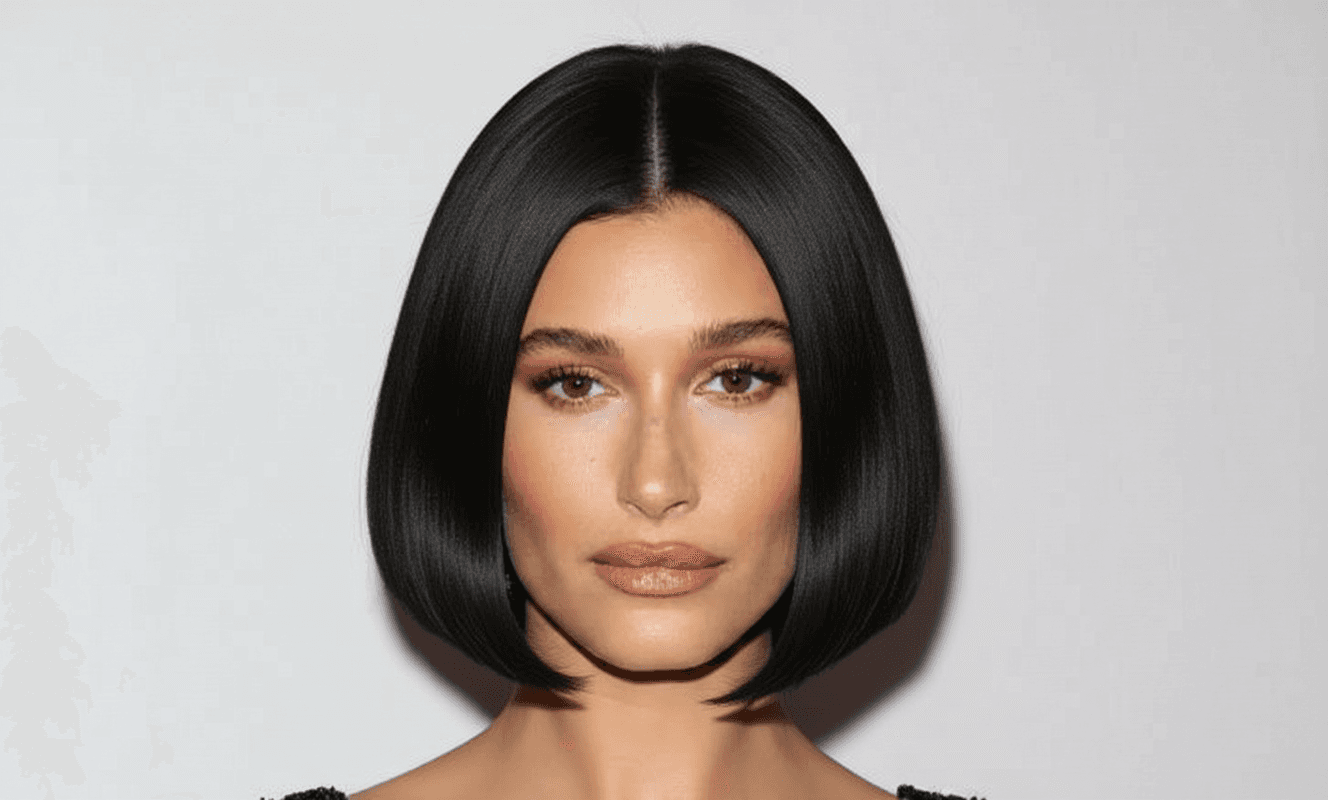

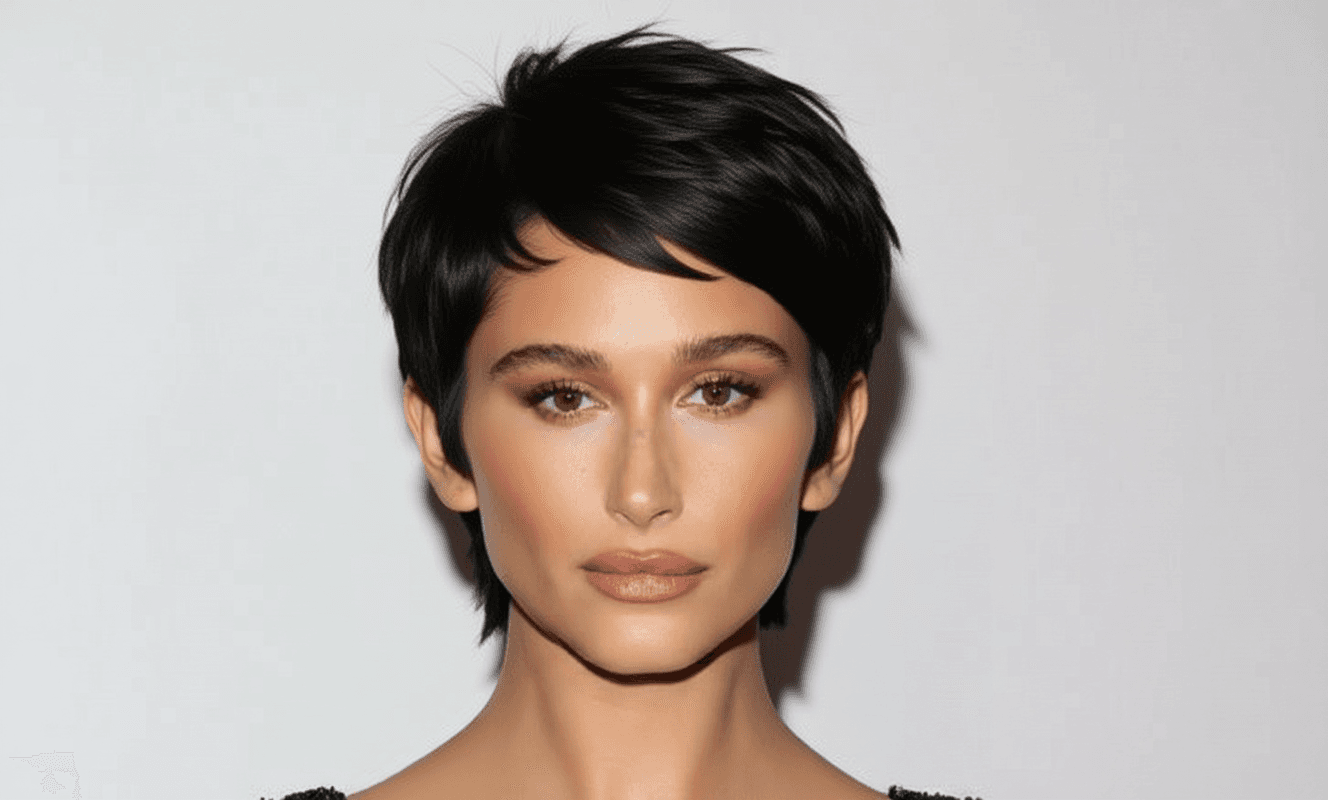
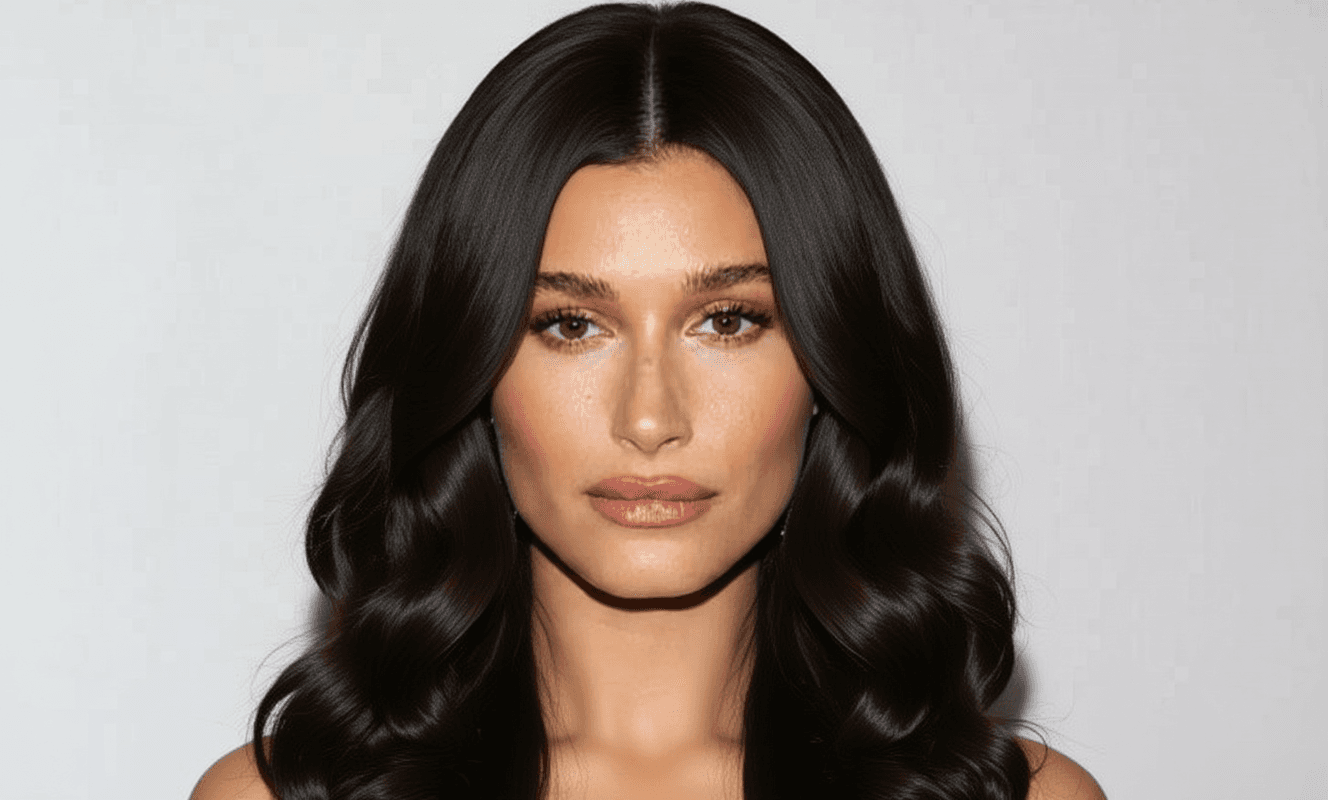
Men's Professional Hairstyles
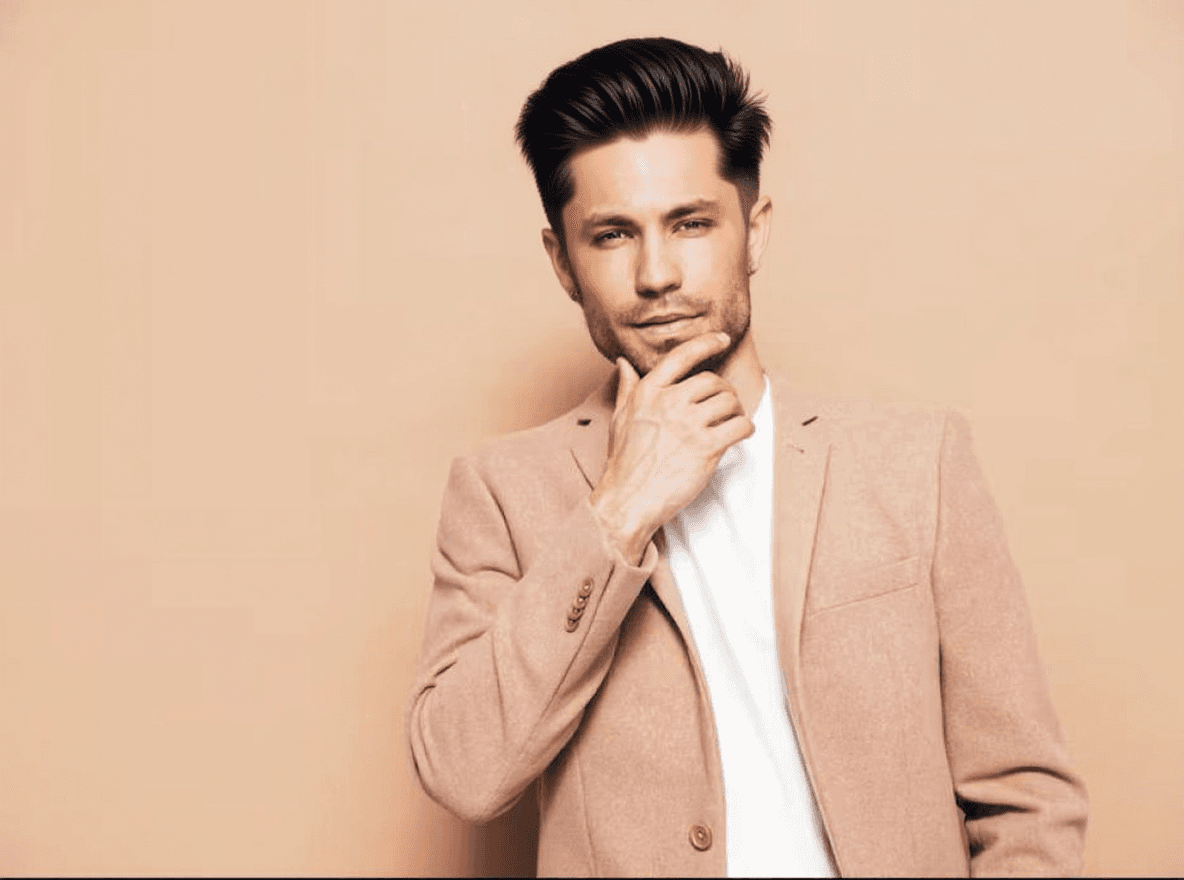
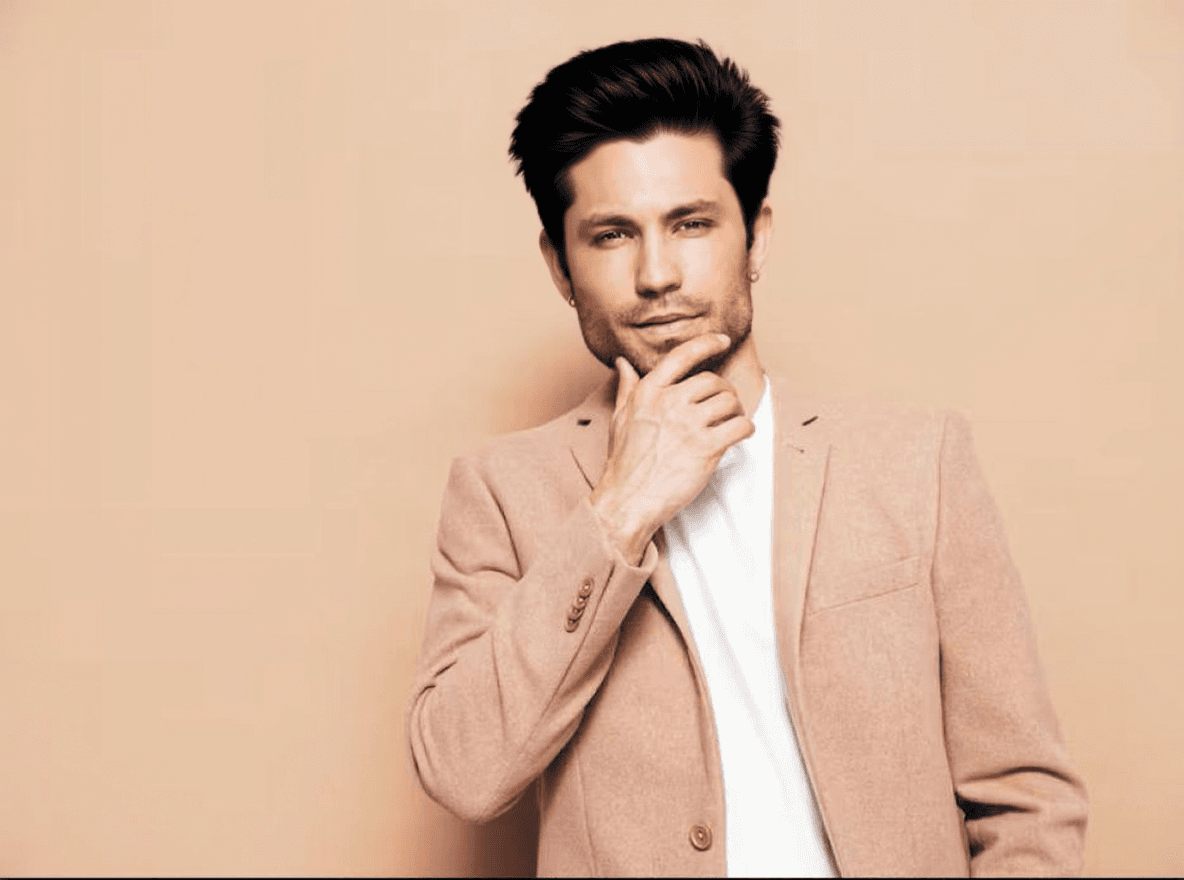
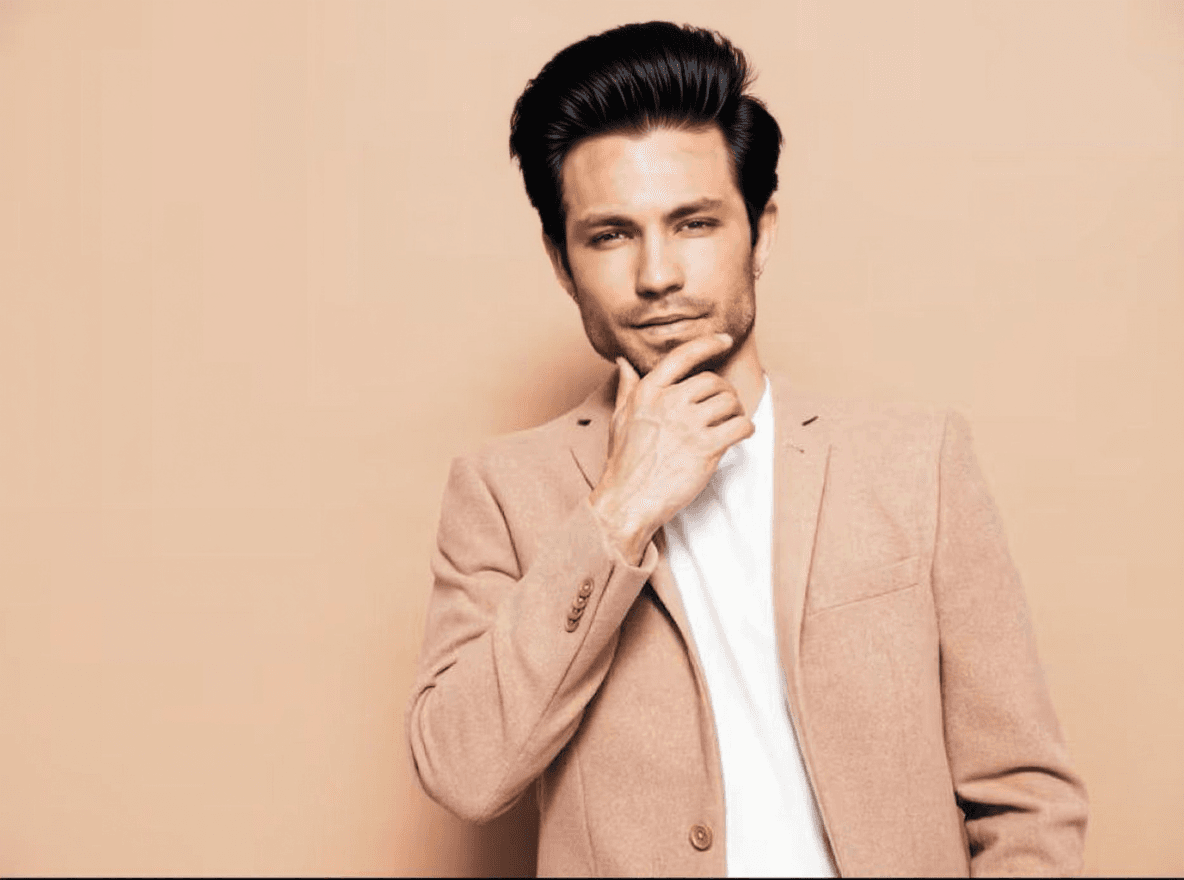
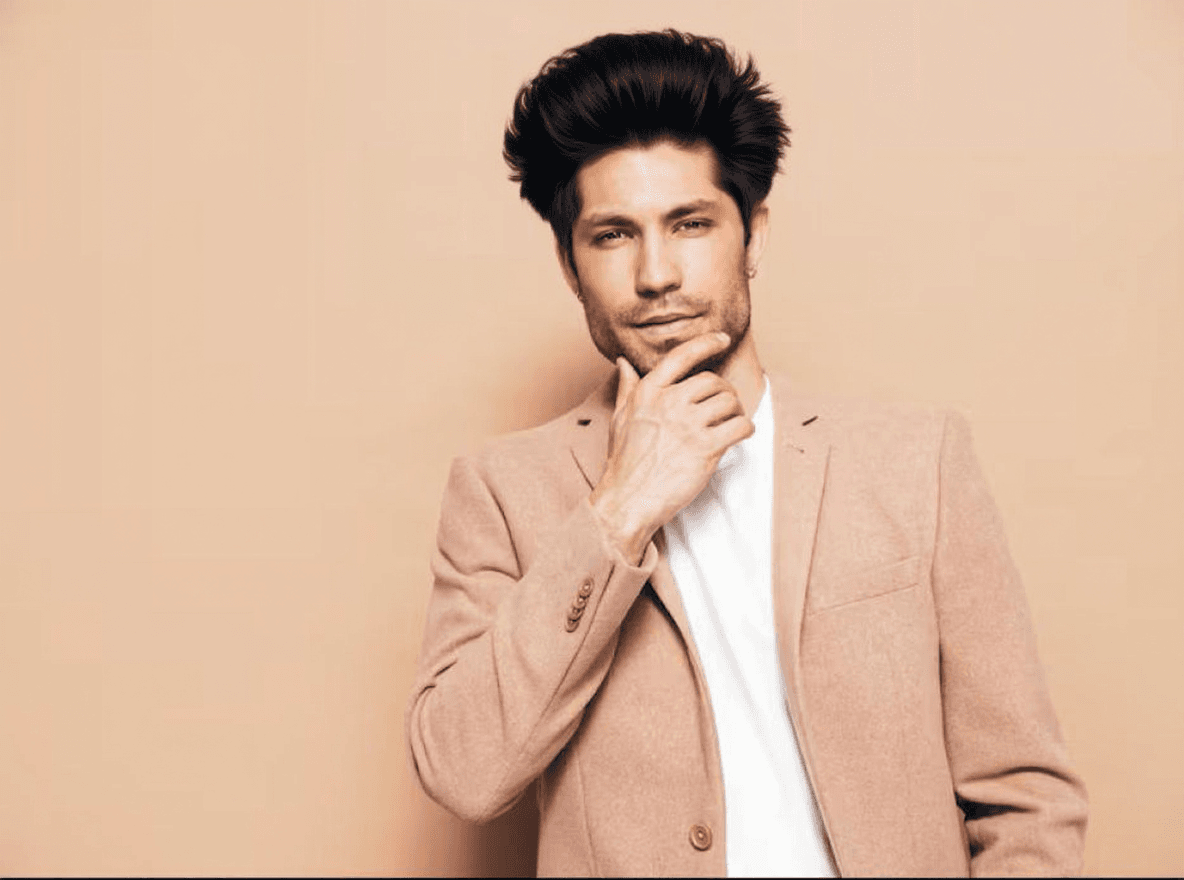

What Makes Professional Hairstyles Look Polished
- A clear shape: a defined line, parting or outline looks deliberate.
- Off the face: hair that doesn’t fall into your eyes lets people see your expression.
- Easy to repeat: a style you can do the same way every morning stays consistent.
- Fresh edges: regular trims at the neck and around the ears matter more than the style itself.
Professional Does Not Mean One Look
Workplaces differ, and so do hair textures. Natural hair, braids, locs, afros and long hair are all professional when they are cared for. The CROWN Act coalition lists 30 US states that have passed laws against race-based hair discrimination, which cover protective styles such as braids, locs and twists.
If you are unsure what a workplace expects, look at how people in similar roles present themselves, then pick the version of your own style that feels neatest.
Interviews and Headshots
Get a trim a few days before an interview or headshot rather than the same day, so the cut looks settled.
Choose a style you can recreate. If the headshot shows a sleek bun but you usually wear your hair down, people may not recognise you when you meet.
The preview redraws the style on your photo; it does not measure your hair. How a cut behaves in real life depends on your own density, texture and growth, so use the preview to judge the shape on your face and your stylist to judge whether your hair can hold it.
Keeping a Work Style Neat Between Cuts
Most professional styles look polished because of upkeep rather than the cut alone. Short men’s cuts such as the taper fade and ivy league usually need tidying every few weeks to keep the neckline sharp, while bobs and pixies lose their line as they grow.
Between visits, a light hold product, a comb and a quick check of the neckline and edges go a long way. If you have long hair, a sleek bun or low ponytail is a fast fallback for busy days.
Try These Styles on Your Own Photo
Each generation gives you 2 variations, and new accounts get 1 free generation.
Open the GeneratorProfessional Hairstyles: FAQs
What is a professional hairstyle for men?
Neat, combed styles such as the side part, ivy league and comb over, or a clean taper fade, are common in offices.
What is a professional hairstyle for women?
A neat bob, sleek bun, tidy pixie or well-kept long hair all look professional. What matters most is a clear, cared-for shape.
Is natural hair professional?
Yes. Natural textures, braids and afros are professional when cared for. The CROWN Act coalition lists 30 US states with laws against race-based hair discrimination.
When should I get a haircut before an interview?
A few days before, so the cut has settled but the edges still look fresh.
Sources
- About the CROWN Act (The CROWN Act coalition)