Updated by the AI Hairstyle team
Bob Cut Try On
Wondering whether a bob would suit you? Upload a selfie and see a sleek, chin-length bob on your own face before you cut. Each generation gives you 2 variations, so you can compare how the length and shape sit around your jaw.
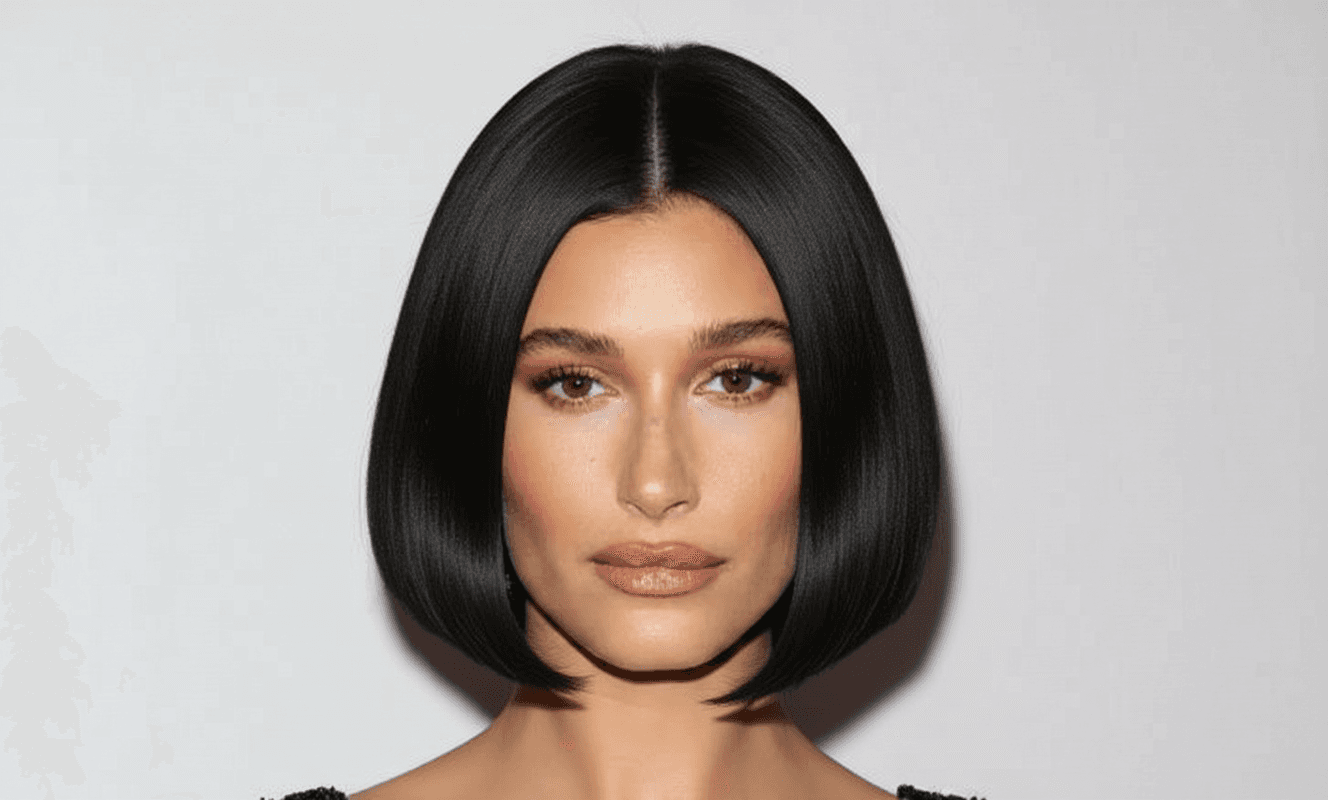
What Is a Bob Cut?
A bob is a short-to-medium cut where the hair is trimmed to roughly the same length around the head, usually somewhere between the jaw and the shoulders. It first became fashionable in the 1920s and has stayed popular because it can be cut in so many ways: blunt or layered, straight or angled, sleek or textured.
The length of a bob decides most of how it looks on you. A chin-length bob shows your jaw and neck, while a longer bob keeps more coverage. Seeing the cut on your own photo is the quickest way to tell whether you like the line it draws around your face.
Bob Variations to Discuss With Your Stylist
The preset shows a blunt, chin-length bob. These are the other common versions to talk through with your stylist.
- Blunt bob: one sharp, even line. Closest to the preset.
- Lob (long bob): grazes the shoulders and is easier to tie back.
- Angled bob: shorter at the back and longer at the front.
- Textured bob: choppy, piecey layers for a more relaxed look.
Living With a Bob
- Trims: the clean line around the jaw is the point of a bob, and it shows growth quickly, so plan on regular trims to keep it.
- Styling: a round brush or a flat iron gives a smooth, polished finish; a little texture spray gives a more relaxed one.
- Hair type: a blunt line can make fine hair look fuller at the ends. On thick hair, ask about internal layers so it does not puff out; on curly hair, ask for it to be cut with your curl pattern in mind, because curls sit shorter once dry.
- Growing out: a bob grows into a lob first. Keeping the back and sides even with small trims along the way avoids an uneven in-between stage.
Bob Tips by Face Shape
Round face
An angled bob that is longer at the front helps lengthen the face; add some height at the crown.
Oval face
Most bob lengths and shapes work, so the choice is mostly about how much length you want.
Square face
Soft layers or texture around the jaw soften strong angles more than a hard blunt line.
Heart-shaped face
A chin-length bob adds fullness at the jaw, which balances a wider forehead.
Long face
A blunt bob at chin or shoulder length adds width and balance.
Bobs need regular trims to keep their line. If you would rather go shorter still, compare with the pixie cut.
See a Bob Cut on Your Own Photo
Each generation gives you 2 variations, and new accounts get 1 free generation. The button opens the generator with the bob cut already selected.
Try a Bob CutBob Cut Try On FAQs
Which bob does the preview show?
The bob preset is a sleek, blunt bob that ends at chin length in one clean line, with smooth, straight hair and the ends turned slightly under.
Can I preview a lob, an angled bob or a textured bob?
Not as separate presets: the preview shows a blunt, chin-length bob. It is still a useful starting point, because it shows how hair ending around your jaw looks on your face; the variations below are what to discuss with your stylist.
Bob or pixie: which is shorter?
The pixie. Our bob preset ends at the chin, while the pixie preset is cropped close at the sides and nape with longer pieces on top. If you are unsure how short to go, preview both and compare.
Does a bob work with curly hair?
Yes, but curls shrink as they dry, so a curly bob often sits shorter than it was cut. Ask your stylist to allow for that, and remember the preset itself shows a straight, sleek bob.